Scientific Research
Peer-reviewed research on shelf circulation, sediment dynamics, and coastal processes — each entry links through to the published paper.
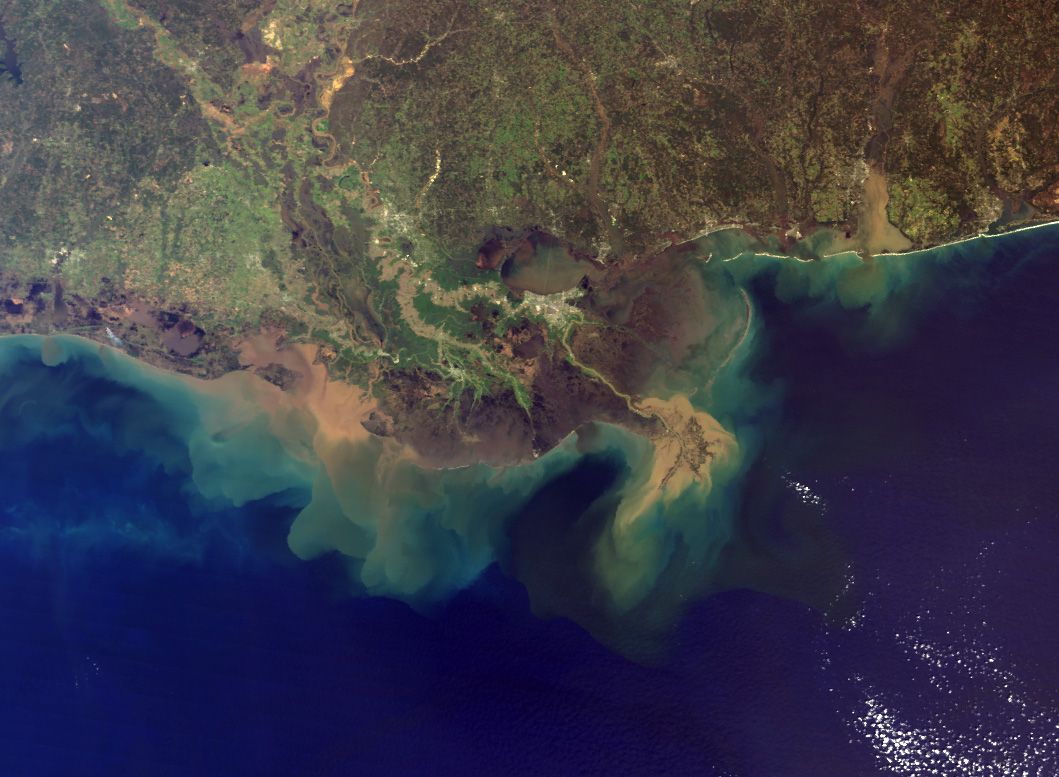
Submesoscale Fronts
Assessed how well a multi-decadal Gulf of Mexico circulation model reproduces submesoscale frontal eddies in the Mississippi/Atchafalaya plume, and what drives their variability.
Published in Ocean Dynamics (Kobashi & Hetland, 2020) — the model reproduced observed frontal eddy magnitude and statistics well; seasonal/inter-annual variability was tied to river streamflow and wind stress, with decadal-scale correlation to Mississippi River outflow.
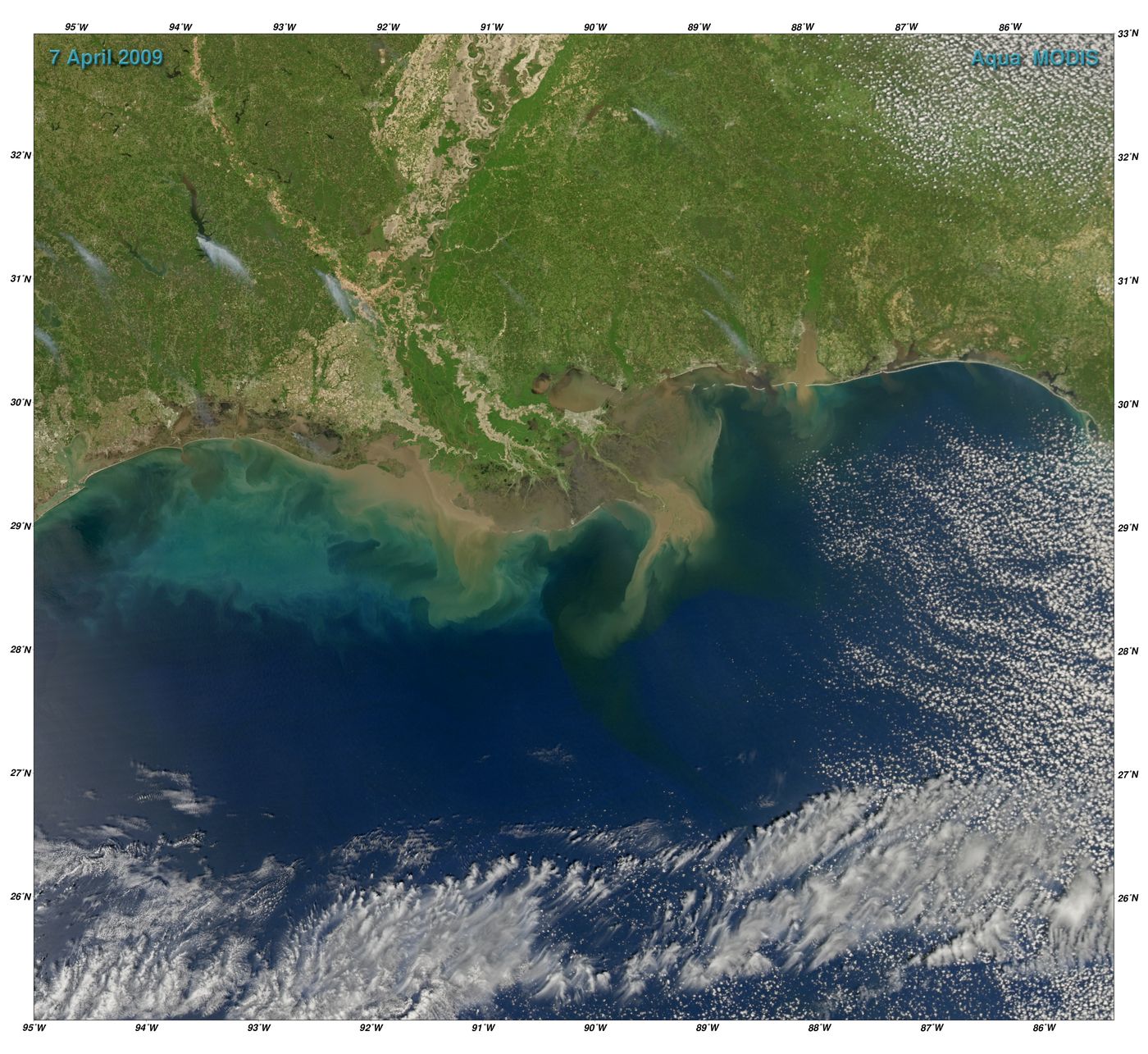
Fine Sediment Dynamics
Analyzed storm-driven dispersal of fluvial fine sediment on a low-energy inner shelf and its influence on an offshore sand shoal, using in-situ measurements and satellite imagery.
Published in Regional Studies in Marine Science (Kobashi & Jose, 2019) — found storm-driven advection transports resuspended fine sediment from the bay to the inner shelf and shoal regardless of storm type, with the dispersal mechanism varying by storm type, intensity, and track.
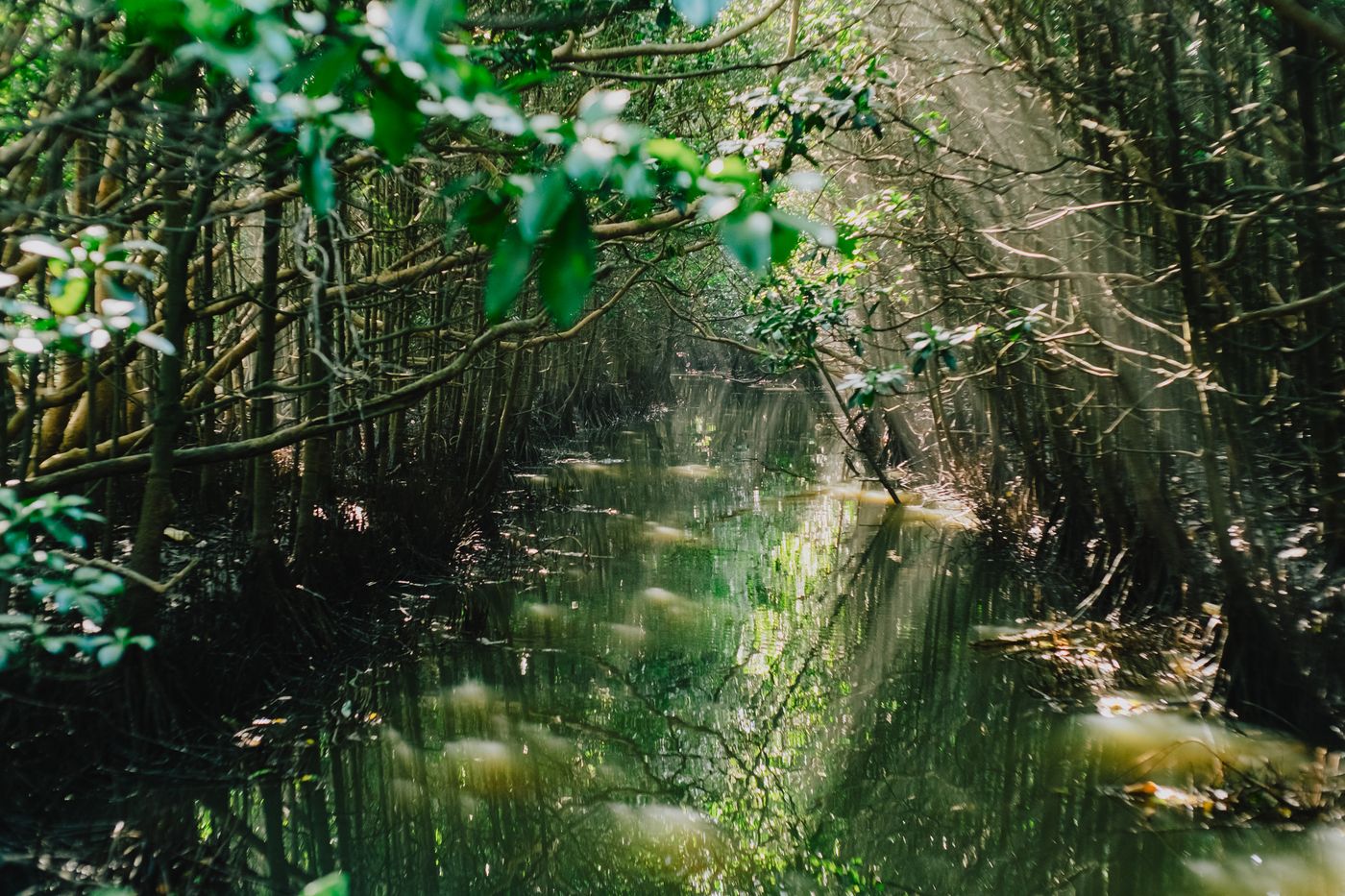
Mangrove Hydrodynamics
Studied tidal flow and drag-driven hydrodynamics within riverine-type mangrove swamps, and how long-term human impact on mangrove forests contributes to coastal erosion.
Published across three papers in Wetlands Ecology and Management: Tidal Flow in Riverine-Type Mangroves (Kobashi & Mazda, 2005), Tidal-Scale Hydrodynamics within Mangrove Swamps (Mazda, Kobashi & Okada, 2005), and Coastal Erosion due to Long-Term Human Impact on Mangrove Forests (Mazda et al., 2002).
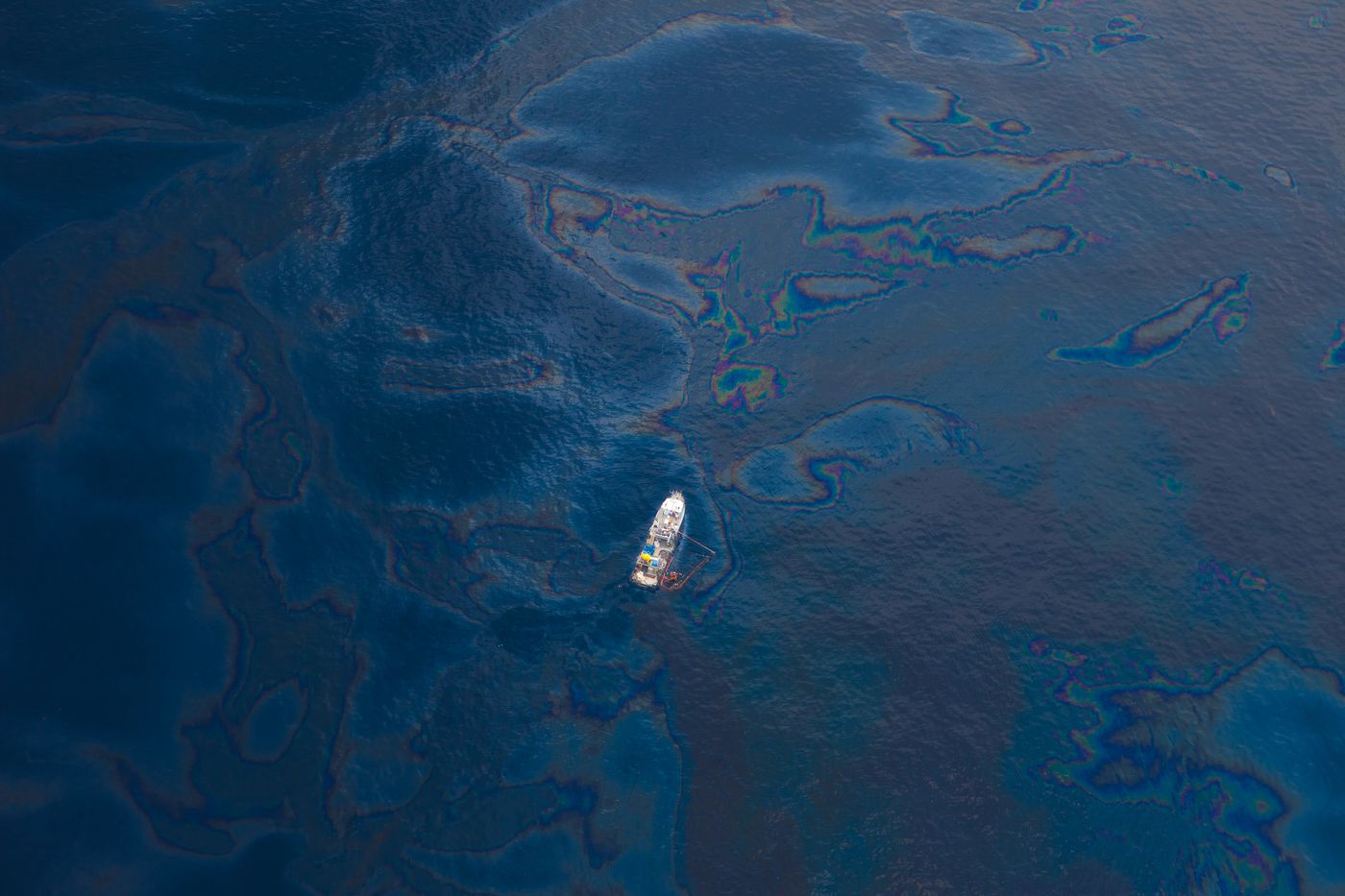
CSOMIO (Consortium for Simulation of Oil-Microbial Interactions in the Ocean)
Contributed offline passive-tracer advection modeling to CSOMIO, a multi-institution consortium simulating oil-microbial interactions in the ocean.
Published in Geoscientific Model Development (Thyng, Kobashi, Ruiz-Xomchuk, Qu, Chen & Hetland, 2020) — the offline scheme achieved 99.6% skill against online advection at a fraction of the computational cost, developed under the CSOMIO consortium.